

How Long Do HVAC Systems Last?
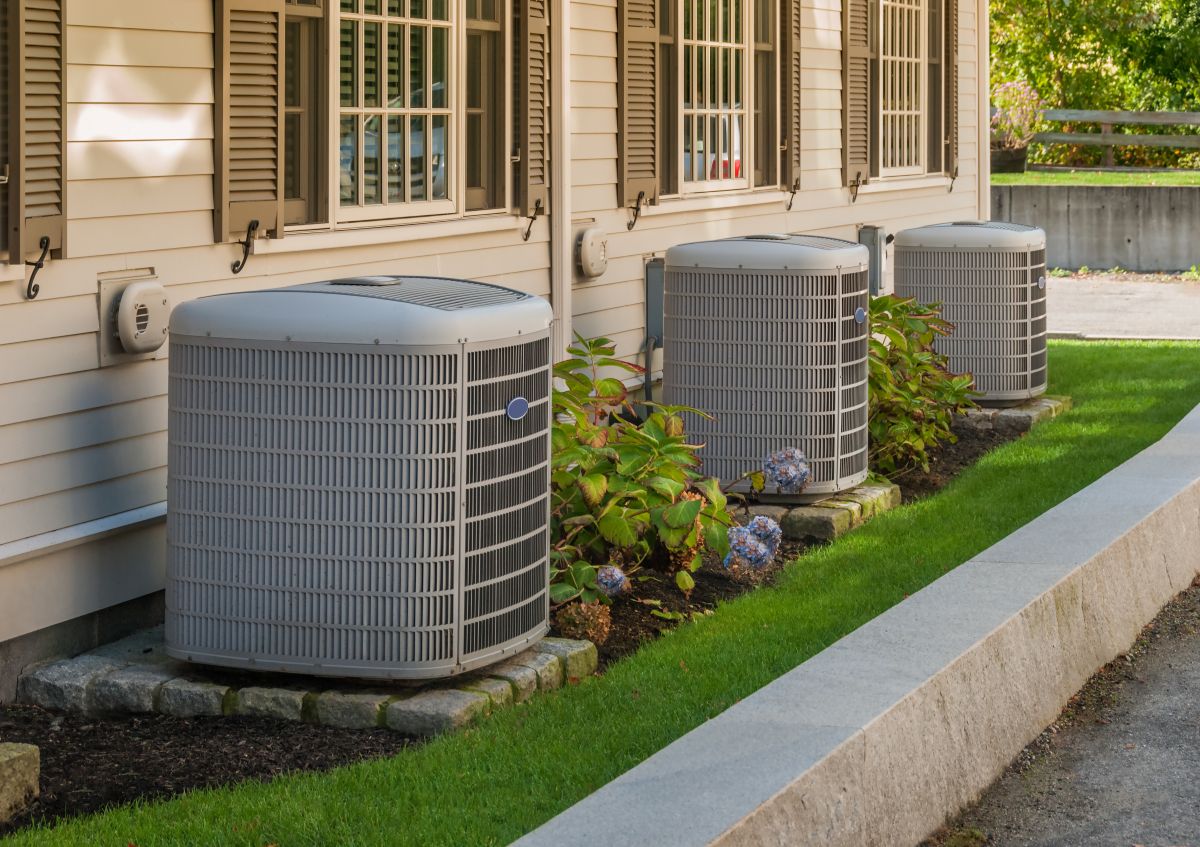
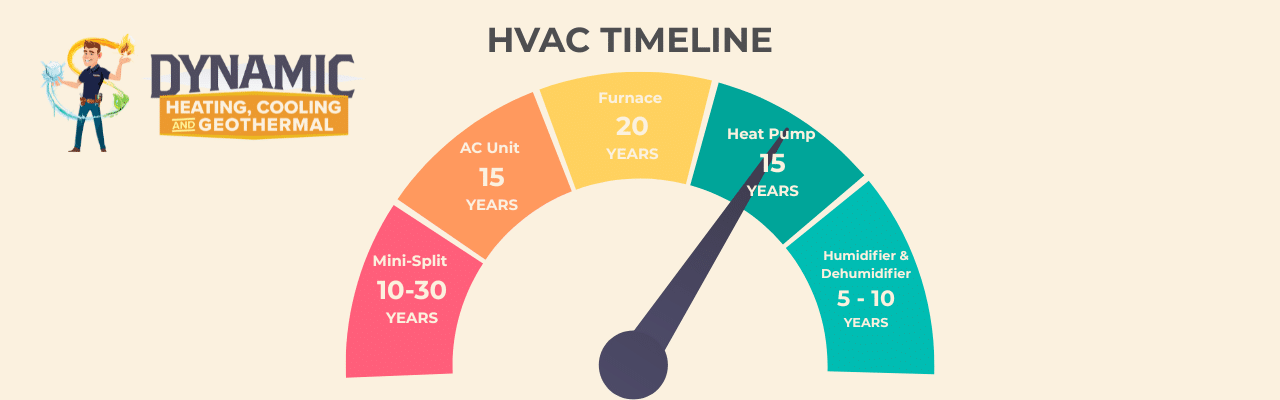
Quick answer: Most HVAC systems last 10 to 25 years. Central air conditioners average 12 to 17 years, gas furnaces 15 to 20, heat pumps 10 to 15, boilers 15 to 30, and geothermal heat pumps 25 to 30 with ground loops lasting 50 years or more. Installation quality and annual maintenance decide where your system lands in that range.
That range is wide for a reason. Two identical furnaces installed on the same street can be 10 years apart in service life, and the difference usually comes down to sizing, install quality and whether anyone touched the system between breakdowns.
Below you will find average lifespans for every major piece of equipment we service in Connecticut, the three rules technicians actually use to decide repair versus replace, and what the 2025 refrigerant change means if your air conditioner is more than 10 years old.
Why Two Identical Systems Last Different Lengths of Time
Manufacturer lifespan figures assume a correctly sized system, a clean install and annual service. Real homes rarely hit all three. A heat pump that should reach 15 years can start failing at 10 because the ductwork was undersized, the refrigerant charge was never verified at commissioning, or nobody changed a filter for four winters.
Treat every number in this guide as a range, not a promise. Where your equipment lands inside that range is largely a decision, not luck.
HVAC Lifespan by Equipment Type
Here is what each piece of equipment typically gives you, and what shortens it in a Connecticut home.
| Equipment | Average lifespan | What shortens it here |
|---|---|---|
| Central air conditioner | 12 to 17 years | Our short cooling season helps, but shoreline salt air and summer humidity attack the outdoor coil |
| Ductless mini split | 15 to 20 years | Each indoor head ages on its own schedule and needs its own cleaning |
| Air source heat pump | 10 to 15 years | Runs in both seasons, so it logs roughly double the hours of a furnace or AC |
| Gas furnace | 15 to 20 years | A cracked heat exchanger usually ends the run before anything else does |
| Oil furnace | 15 to 25 years | Common in older Connecticut housing stock, and very dependent on annual cleaning and nozzle service |
| Electric furnace | 20 to 30 years | Few moving parts, but high operating cost often triggers replacement before failure |
| Boiler, gas or oil | 15 to 30 years | Cast iron sections outlast the burner and controls attached to them |
| Radiant heat tubing | 30 to 50 years | The boiler feeding it will need replacing two or three times first |
| Geothermal heat pump unit | 25 to 30 years | Lives indoors with no weather exposure, which is why it beats every other option |
| Geothermal ground loop | 50 years or more | Buried polyethylene loop, effectively a one time investment |
| Tank water heater | 8 to 12 years | Hard water shortens tank life fast without an anode rod check |
| Tankless water heater | 20 years | Needs annual descaling to reach that number |
| Packaged rooftop unit | 15 to 20 years | Fully weather exposed, common on small commercial buildings |
How Long Does a Furnace Last in Connecticut?
A gas furnace lasts 15 to 20 years and an oil furnace 15 to 25. Because Connecticut is a heating dominated climate, furnaces and boilers here rack up far more run hours than air conditioners do, so heating equipment tends to age right on schedule while the AC often outlives its rating. Annual furnace maintenance is the single biggest factor in reaching the top of that range.
How Long Do AC Units Last?
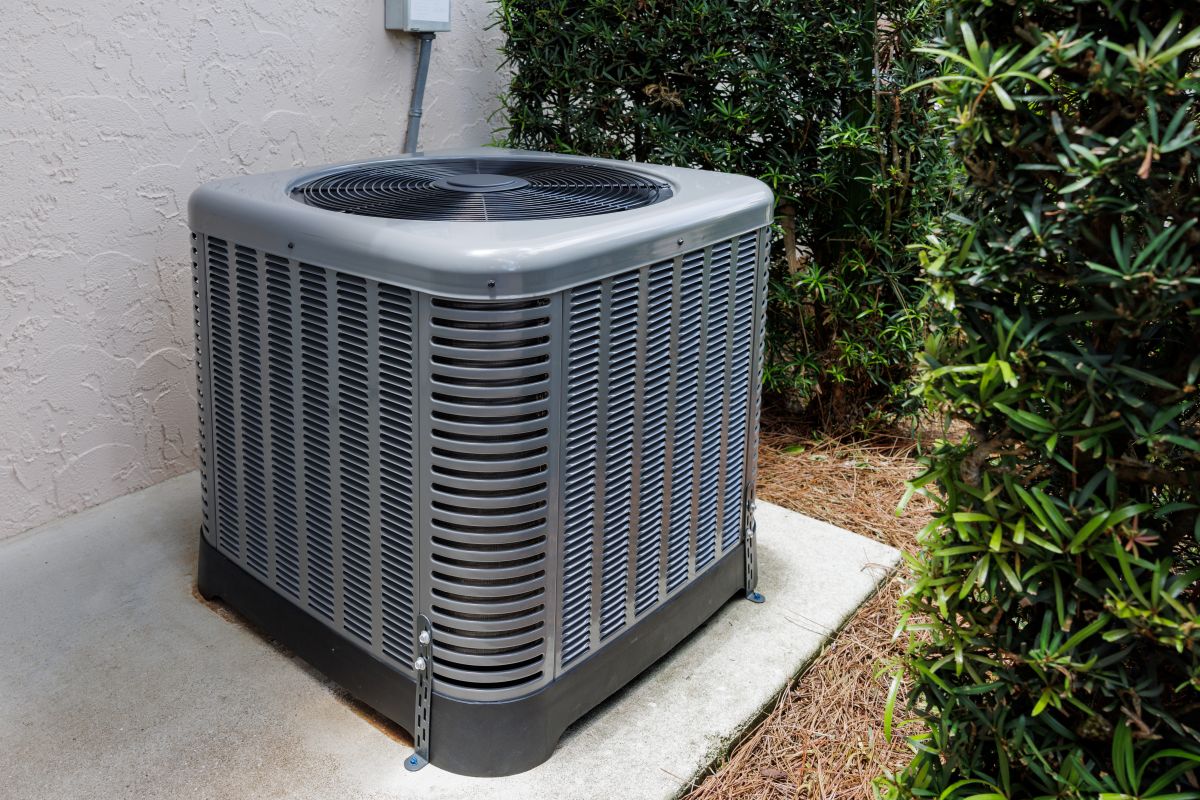
Central air conditioners average 12 to 17 years, and ductless mini split systems 15 to 20. Our shorter cooling season works in your favor compared with a home in Florida or Texas, but coastal humidity and salt air still corrode condenser coils along the shoreline. Booking AC maintenance each spring is what keeps you at the top of the range.
How Long Do Heat Pumps and Boilers Last?
Air source heat pumps last 10 to 15 years because they work in both seasons. Boilers run 15 to 30 years, and cast iron models sit at the top of that range. If you have a water heater, plan on 8 to 12 years for a tank model and up to 20 for tankless.
Geothermal Lasts Twice as Long as Anything Else
A geothermal heat pump runs 25 to 30 years, and the buried ground loop it connects to lasts 50 years or more. That gap matters more than it looks. Over 50 years a home with an air source system will buy three or four replacements. A geothermal home buys one loop, then swaps the indoor unit twice.
The reason is simple mechanics. There is no outdoor condenser sitting in ice, road salt and summer sun. The heat pump lives in the basement or a utility closet, and the only part exposed to the elements is a sealed polyethylene loop buried below the frost line, where ground temperature barely moves all year.
That also means geothermal is the one system where a Connecticut homeowner should think in total cost of ownership rather than install price. We install and service geothermal across Hartford and New Haven counties, so we can pull real run data from systems that have been in the ground here for two decades.
What Actually Shortens an HVAC System’s Life
Installation and sizing. This is the one nobody sees and everybody pays for. An oversized furnace short cycles, which means it fires, satisfies the thermostat in minutes, shuts down and repeats all day. Every one of those cycles is wear. An undersized system runs continuously and never catches up. A proper load calculation at install time is worth more to lifespan than any brand badge.
Maintenance. Annual service is the difference between the bottom and the top of every range in the table above. It also keeps most manufacturer warranties valid, which people discover the hard way when a compressor fails at year eight. Book a tune up in spring for cooling and in fall for heating.
Build quality. Better equipment does last longer, but a premium furnace installed badly will still fail before a mid tier furnace installed correctly. Spend on the installer first.
Connecticut conditions. Our winters are long, so heating equipment carries most of the load. Coastal humidity and salt corrode outdoor coils. Older homes in Plainville, Bristol and New Britain often have undersized or leaky ductwork that forces equipment to work harder than its rating assumes.
Six Signs Your System Is Near the End
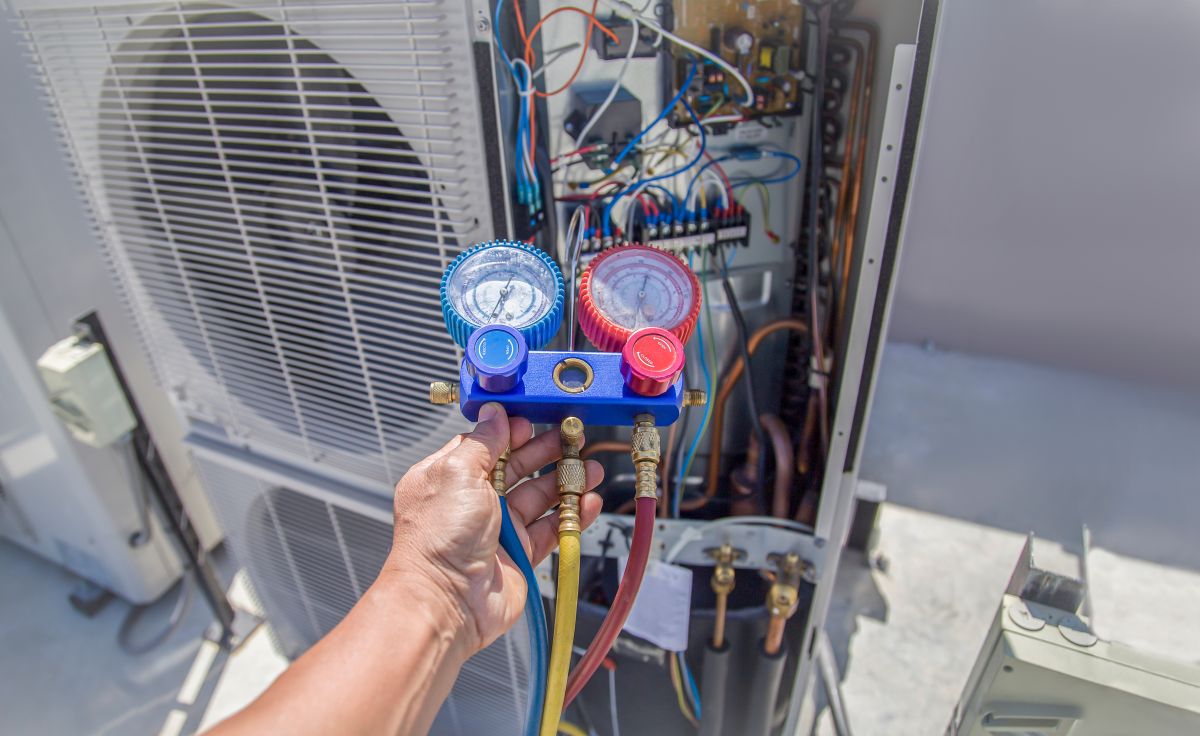
- Energy bills climbing season over season with no change in how you use the house
- Rooms that will not hold an even temperature, especially upstairs
- Two or more repair calls in a single season
- A major component has already gone, such as the compressor, heat exchanger or blower motor
- The system is past the age range in the table above
- New noises: rattling, banging on startup, or a burning smell that lingers past the first fire of the season
One of these on its own is a repair conversation. Three or more together usually means you are funding a replacement one part at a time. Our FAQ page answers more common HVAC questions.
How to Add Five Years to Your HVAC System
None of this is complicated, and all of it is cheaper than a replacement.
- Change the filter every one to three months. A clogged filter starves airflow, which overheats the heat exchanger in winter and freezes the coil in summer.
- Book two tune ups a year, spring for cooling and fall for heating. This also keeps most manufacturer warranties valid.
- Seal and inspect the ductwork. Leaks and blockages can cut efficiency by up to 30%, and every one of those lost percentage points is extra run time on the equipment. Worth checking in any Connecticut home built before 1990.
- Install a smart thermostat. Scheduling around when the house is actually occupied cuts run hours directly, and most models flag maintenance issues before you notice them.
- Keep the outdoor unit clear. Two feet of clearance on all sides, and rinse the condenser coil each spring. On shoreline properties, rinse it more often to keep salt off the fins.
Repair or Replace? Three Rules Technicians Actually Use
The 50% rule. If a single repair costs more than half the price of a new system, replace it. This is the fastest gut check and the one most technicians reach for first.
The $5,000 rule. Multiply the age of the unit by the repair quote. If the result is over $5,000, replace. A $400 repair on a 10 year old AC gives you $4,000, so fix it. The same $400 repair on an 18 year old unit gives you $7,200, so replace it.
The five year rule. If the system still has five or more years of expected life left based on the table above, and the repair is modest, repairing is the better economic call.
Age matters underneath all three. Replacing a system that is 10 years old with a high efficiency model can cut heating and cooling costs by 20% to 40%, according to Energy.gov, so a borderline repair on an aging unit often loses on operating cost even when it wins on sticker price.
Why 2026 Changed the Math on Older Air Conditioners
If your air conditioner or heat pump was installed before 2025, it almost certainly runs on R-410A refrigerant, and that changes the repair conversation.
Under the EPA’s AIM Act, manufacturers stopped producing new residential air conditioners and heat pumps charged with R-410A on January 1, 2025. Your existing system is still legal to own, run and service. What changed is supply. Production allowances are capped through 2028 and drop again in 2029, and R-410A prices have climbed sharply since the ban. New equipment uses R-454B or R-32 instead, and neither can be put into an R-410A system, so there is no retrofit around it.
In practice, a large refrigerant leak on a 12 year old system is a much weaker repair case in 2026 than it was in 2022. If your AC is over 10 years old and losing refrigerant, ask for the recharge cost in writing before approving the repair, then run it through the $5,000 rule above.
Rebates Available to Connecticut Homeowners in 2026
The federal energy tax credits under Sections 25C and 25D both ended for property placed in service after December 31, 2025, so a 2026 replacement no longer qualifies for the federal credit that covered heat pumps and geothermal. Connecticut’s own programs are now the main path. Energize CT offers rebates for qualifying cold climate heat pumps, and the amount depends on system type and what fuel you are replacing. Rebate levels and eligibility rules change during the year, so confirm current figures before you budget, and ask us to check what your specific project qualifies for.
Get a Straight Answer on How Much Life Your System Has Left
We service homes and small commercial buildings across Plainville and the surrounding Hartford and New Haven county towns. When we evaluate a system, our team gives you the equipment age, its condition, what it will realistically cost to keep running, and where it sits against the three repair or replace rules above. Then you decide.
We also offer seasonal maintenance plans that cover both the spring and fall tune ups, which is the cheapest way to reach the top of every range in this guide. And because geothermal is what we are named for, we can price a ground source system against a conventional replacement so you can compare them over 25 years rather than over one invoice.
The Short Version
Most HVAC systems last 10 to 25 years. Air conditioners sit at the low end, furnaces and boilers in the middle, and geothermal well past everything else. Where your system lands depends on how it was installed and whether it gets serviced twice a year. When a repair quote arrives, run it through the 50% rule and the $5,000 rule before you approve it.
If you want a second opinion on a repair quote, or you just want to know how many winters your furnace has left, we will tell you straight.
Frequently Asked Questions
How often do HVAC systems need to be replaced?
Most homeowners replace an HVAC system every 15 to 20 years, though the components rarely go at the same time. An air conditioner typically needs replacing at 12 to 17 years while the furnace it shares ductwork with runs 15 to 20, so many households handle it as two projects several years apart rather than one large one.
Is it worth fixing a 20 year old AC unit?
Usually not. At 20 years an air conditioner is past its expected life, running on R-410A refrigerant that is getting more expensive every season, and operating well below the efficiency of anything sold today. A small repair to get through one more summer can make sense. Anything involving the compressor, the coil or a significant refrigerant recharge does not.
What is the $5,000 rule for AC repair?
The $5,000 rule says to multiply the age of your air conditioner by the cost of the repair quote. If the answer is more than $5,000, replace the unit instead. A $300 repair on an 8 year old system comes to $2,400, so repair it. The same repair on a 19 year old system comes to $5,700, so replace it.
Should a 25 year old furnace be replaced?
Yes, in almost every case. A 25 year old furnace is five to ten years past its expected life, is likely running at 60% to 80% efficiency against 95% or better on current equipment, and is at real risk of heat exchanger failure. Even if it still fires reliably, the fuel savings alone usually justify replacement in a Connecticut heating season.
How old is a good age for HVAC in a house?
When buying a home, an HVAC system under 10 years old is a strong position and unlikely to need replacing soon. Between 10 and 15 years, budget for replacement within the next five. Over 15 years, treat replacement as a near term cost and use it in your negotiation, since you are probably the one who will pay for it.
How much does an air conditioner cost for a 2,000 square foot home?
A 2,000 square foot Connecticut home typically needs a 3 to 4 ton system, and installed cost depends on efficiency rating, ductwork condition and whether the electrical panel needs work. Ask for a written quote that includes a load calculation rather than a rule of thumb sizing, and get in touch for a figure specific to your home.
